Hybrid vs Electric vs Petrol: Choosing Your Next Car
Compare hybrid, electric and petrol cars on purchase price, running costs, charging, range and resale so you can pick the right fit for how you drive.
The right choice depends mostly on how far you drive, where you park and whether you can charge at home. Electric cars usually cost the least to run, hybrids suit mixed driving without charging hassle, and petrol cars are still the simplest, cheapest option up front.
How each type works
A petrol car burns fuel in an engine to drive the wheels. It is the most familiar technology, with fuel stations almost everywhere and mechanics who know the parts well.
A hybrid pairs a petrol engine with an electric motor and a small battery. The battery recharges from the engine and from braking, so you never plug it in. It uses less fuel in stop-start traffic because the motor handles low-speed driving.
A plug-in hybrid has a bigger battery you charge from a socket. It can cover short trips on electricity alone, then switches to petrol for longer journeys.
A fully electric car runs only on a battery and motor. You charge it at home, at work or at public chargers, and it produces no exhaust emissions while driving.
Comparing costs over time
Purchase price is only part of the picture. Fuel or electricity, servicing, insurance and resale value all add up over the years you own the car.
| Factor | Petrol | Hybrid | Electric |
|---|---|---|---|
| Purchase price | Lowest | Moderate | Highest, though gap is narrowing |
| Energy cost per km | Highest | Lower in city driving | Lowest with home charging |
| Routine servicing | Regular oil and engine work | Similar to petrol, slightly less brake wear | Fewer moving parts, less servicing |
| Refuelling time | A few minutes | A few minutes | 20 minutes to several hours |
| Resale uncertainty | Low | Low to moderate | Varies by model and battery health |
A simple way to compare is to estimate your total cost over five years. Add the purchase price, expected fuel or electricity spend, servicing and insurance, then subtract a realistic resale value. Many buyers find that a pricier electric car evens out over time if they drive a lot and charge at home.
Match the car to your driving
Your daily routine is the best guide. Think honestly about a normal week rather than the one long road trip you take each year.
- Short daily trips with home parking: an electric car or plug-in hybrid often makes the most sense.
- Lots of city driving but no home charger: a standard hybrid saves fuel without needing a socket.
- Long motorway distances with few chargers on the route: a hybrid or efficient petrol car avoids range worries.
- Very low mileage: a petrol car may be cheapest overall because the fuel savings of other types never pay back their higher price.
- Remote or rural area: check charger availability and local servicing before choosing electric.
Charging and range realities
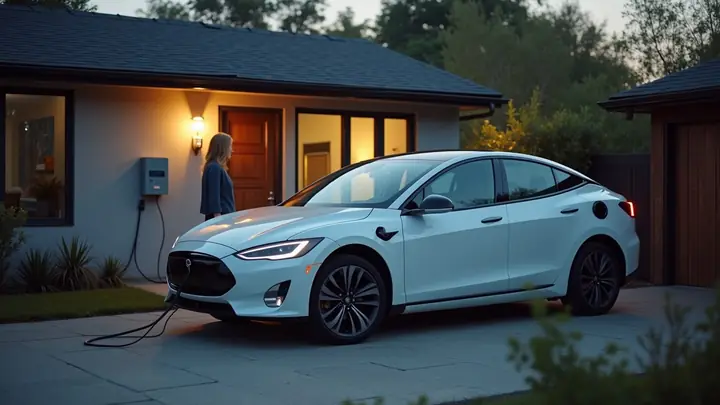
Home charging is the biggest convenience and cost factor for electric cars. If you have a driveway or garage, you can plug in overnight and start each day with a full battery.
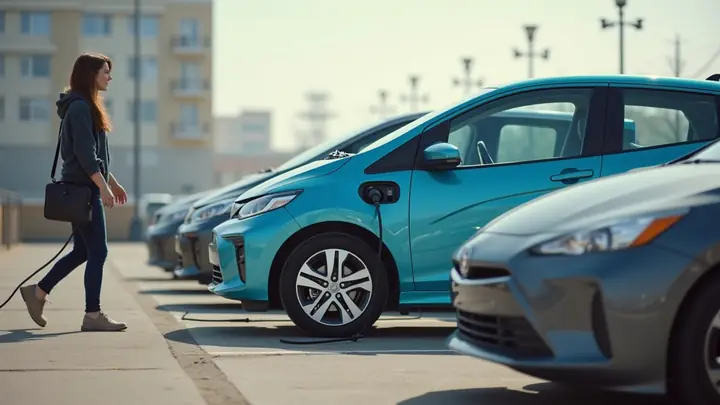
Without home charging, you rely on public or workplace chargers. Public fast chargers are quicker but usually charge more per unit of energy, which can erase much of the running-cost advantage.
Range figures in brochures are measured under test conditions. Real range tends to drop in cold weather, at high motorway speeds and with heavy use of heating or air conditioning. Plan around a figure lower than the advertised one.
Maintenance, reliability and resale
Electric cars have no oil changes, spark plugs or exhaust systems, so routine servicing is usually simpler. Regenerative braking also means brake pads often last longer. Tyres may wear a little faster because electric cars tend to be heavier.
Hybrids have both an engine and an electric system, so there is more to maintain than in a pure electric car. That said, many hybrid designs have a long track record for reliability.
Resale values move with fuel prices, government policy and battery technology. When buying used, ask for a battery health report on any hybrid or electric car and check how much of the battery warranty remains.
Questions to ask before you buy
Take time to test the car in the conditions you actually drive in. A short dealer loop rarely shows how a car handles your commute.
- How many kilometres do I drive in a typical week?
- Can I install or access a charger where I park overnight?
- What incentives, taxes or fees apply to each type where I live?
- How much will insurance cost for each shortlisted model?
- What does the warranty cover, and for how long?
- Are there qualified mechanics nearby for this type of car?
Rules on emissions zones, road tax and purchase incentives differ widely between countries and even cities. Check with your local transport authority before deciding, as these can shift the numbers significantly.
The bottom line
There is no single best choice for everyone. Electric cars reward drivers who can charge at home and cover regular distances, hybrids fit mixed driving without charging, and petrol cars remain practical for low mileage or areas with limited infrastructure. Work out your own total cost over several years, test drive in real conditions and check local rules before you commit.
Frequently asked questions
Is an electric car cheaper to run than a petrol car?
In most places, yes, especially if you charge at home on a standard or off-peak tariff. Public fast charging can cost much more per kilometre, so the saving depends on where and how you charge.
What is the difference between a hybrid and a plug-in hybrid?
A standard hybrid charges its small battery from the engine and braking, so you never plug it in. A plug-in hybrid has a larger battery you charge from the mains, giving a short electric-only range before the engine starts.
How long do electric car batteries last?
Batteries lose some capacity gradually rather than failing suddenly, and many manufacturers offer long battery warranties. Check the warranty length and the capacity it guarantees before you buy, particularly on a used car.
Are there government incentives for electric cars?
Some countries offer purchase grants, tax reductions or lower registration fees, while others offer none. Check your national transport authority or tax office for current rules, as incentives change often.
Disclaimer: This guide is general information only and may not fit your situation or country. Rules, prices and requirements change, so check the details with the official source or a qualified professional before you act. Read our full disclaimer.